
Costa Smeralda
Porto Cervo and the Gallura coast
The Costa Smeralda around Porto Cervo combines marinas and small coves. Olbia, San Teodoro and La Maddalena are separate destinations.
Contents
Where the Costa Smeralda lies
The Costa Smeralda lies in Gallura in north-eastern Sardinia. Its tourism centre is Porto Cervo, within the municipality of Arzachena. The name refers to the resort area shaped by the consortium of the same name. It does not cover every beach between Olbia and Santa Teresa Gallura.
This distinction is useful when searching for accommodation. A hotel described as being on the Costa Smeralda need not be beside Porto Cervo’s Piazzetta or your chosen beach. The actual locality and position on the coast tell you more than the widely used holiday label.
Porto Cervo’s marina and Piazzetta
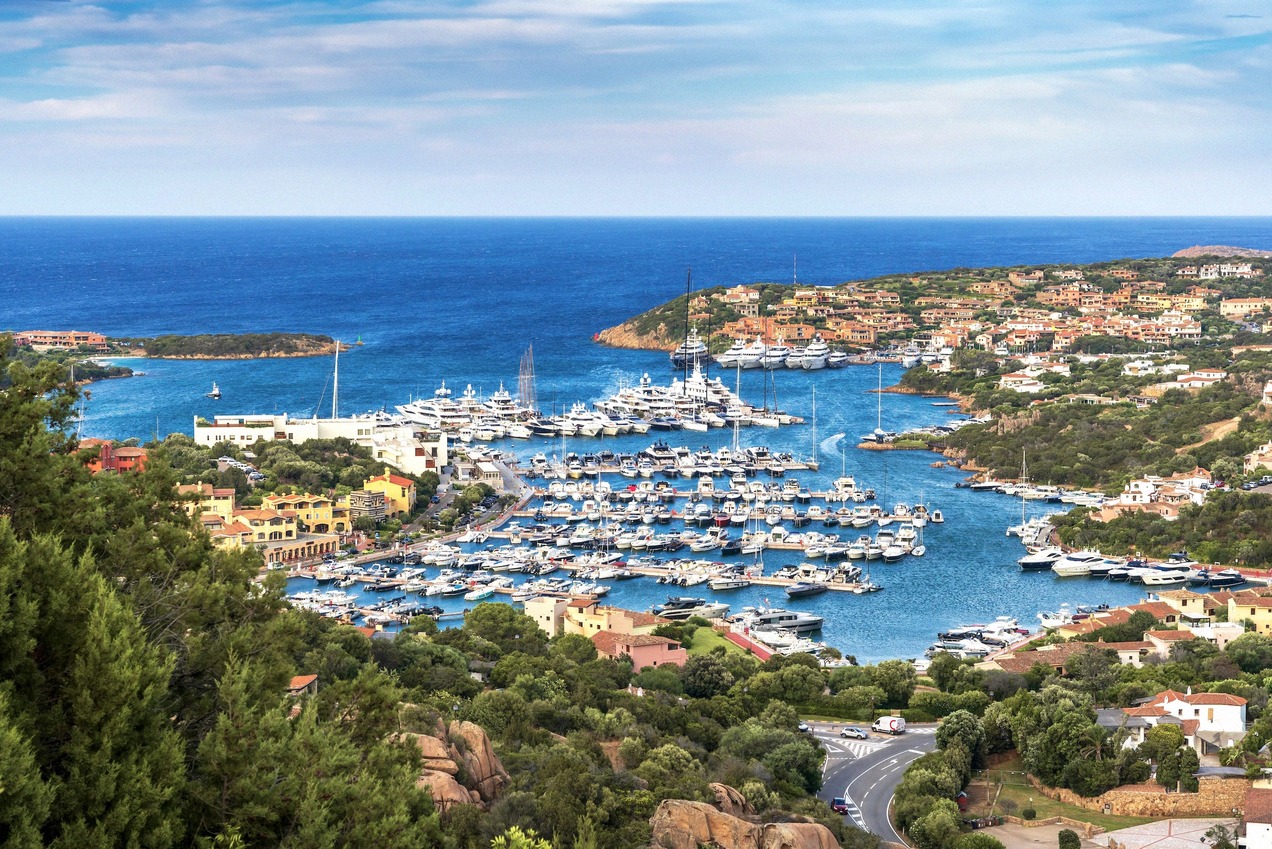
Marinas and deliberately designed resort architecture define Porto Cervo. Shops and restaurants occupy the lanes around the Piazzetta, while the church of Stella Maris stands above the harbour. A walk takes in different views of the same place: boats and water below, squares and viewpoints higher up.
The town suits a stay combining restaurants, harbour life and coastal scenery. If you prefer a historic centre that has developed over centuries, Alghero or Cagliari offers a different urban setting.
Coves rather than one continuous beach
Individual coves and rocky stretches divide the coast. Well-known beaches around Porto Cervo include Liscia Ruja, Spiaggia del Principe and Capriccioli. The choice is therefore between particular access points, rather than simply between the coast and inland.
For a beach holiday, choose accommodation that suits your preferred beach. Proximity on an overview map does not replace the journey to the actual entrance. Families with small children may value a short daily walk to the beach more than being close to Porto Cervo’s evening attractions.
San Pantaleo and the interior
San Pantaleo offers a different setting from the marinas, amid Gallura’s granite landscape. Inland archaeological sites include the Albucciu nuraghe, the temple of Malchittu and burial sites around Arzachena.
These add landscape and history to a coastal stay without requiring a tour of the whole island. The differences between Domus de Janas and the later nuraghi help place the prehistoric sites in context.
Arriving and where to stay
Olbia is a convenient arrival point for the north-east. From there, you still need to reach your particular accommodation. Outside the centre, parking and daily journeys matter more than they do during a city stay.
A hire car makes it easier to move between coves and the interior. Without a car, accommodation with a suitable transport connection and everyday destinations within walking distance provides a better base. Getting around Sardinia depends strongly on the place you choose; an area name alone does not establish a bus connection.
Combining the Costa Smeralda with other destinations
Visiting La Maddalena involves a crossing from Palau. San Teodoro lies on another stretch of coast south of Olbia. Both can form part of the same holiday, but should not be treated as neighbouring Porto Cervo beaches.
For a week focused on swimming, one base in a coastal area is often enough. On a longer Sardinia itinerary, a second stay makes sense when your focus shifts substantially west or south.