
Regions of Sardinia
Coasts, towns and the interior compared
Olbia in the north-east, Alghero in the north-west and Cagliari in the south offer different bases for beaches, sights and onward travel.
Contents
The north-east and Gallura
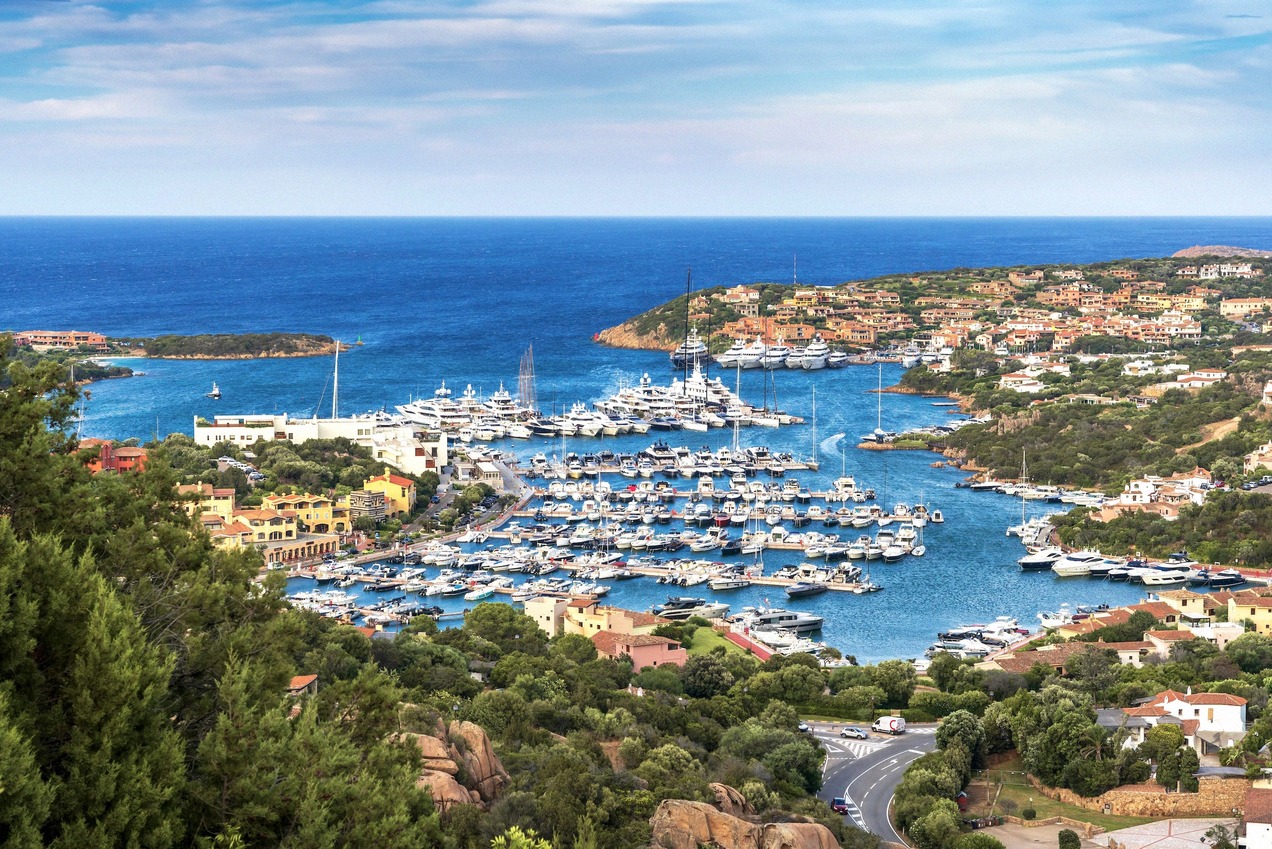
The north-east combines granite coasts, small coves and the islands of La Maddalena. Olbia makes a useful base if you want to combine arrival, city sightseeing and day trips. The Costa Smeralda is the resort area around Porto Cervo, rather than a name for the entire north-east coast.
South of Olbia lies San Teodoro, with La Cinta beach. Staying here for swimming involves different daily journeys from staying around Porto Cervo or Palau. A broad label such as “north-east coast” therefore tells you little about the best location for your accommodation.
The north-west: Alghero and Stintino
Alghero combines a seaside old town with trips to Capo Caccia. Neptune’s Grotto lies on this stretch of coast. Further north is Stintino, with La Pelosa. A city stay in Alghero and a beach holiday near Stintino suit different interests.
Castelsardo offers another historic town centre on the north coast. If you plan to move between several places, the route you want to follow matters more than trying to reach widely scattered destinations from the same hotel every day.
The west: Bosa and Oristano
Bosa stands on the Temo, combining a riverfront, an old town and the coast at Bosa Marina. Oristano is a city base for the Sinis peninsula and Tharros. Bosa suits a stay combining town and countryside; Oristano makes it easy to pair an evening in town with an archaeological excursion.
On a trip along the west coast, the two towns can be separate stops with an overnight stay. The scenic drive between them does not replace time in either place. If you keep moving, the smaller historic centres in particular become little more than brief photo stops.
The south: Cagliari, Chia and Villasimius
Cagliari brings together historic neighbourhoods, museums and Poetto, its city beach. To the west lie Pula with Nora, followed by Chia and Tuerredda. Villasimius and Costa Rei lie to the south-east.
For plenty of beach days, accommodation on your chosen stretch of coast makes sense. Cagliari suits city life and trips to different cultural sites. Alternating daily between Chia and Costa Rei, on the other hand, means unnecessary drives across the south.
The east and the interior
At the Gulf of Orosei, steep cliffs meet mountain scenery. Cala Gonone and Santa Maria Navarrese are coastal bases, while Dorgali and Baunei lie inland. A cove may look close on the map yet still require a long walk or a boat trip to reach it.
Nuoro, Barbagia, the Supramonte and the Gennargentu add inland towns and mountain landscapes to a coastal trip. Gorropu is a hiking destination in its own right. Archaeology is not confined to the coast either: Su Nuraxi is near Barumini in the island’s interior.
Choosing a base
For a first tour of Sardinia, a few stays in neighbouring areas work better than changing hotels every day. Your arrival point and preferred accommodation should suit the same region.